HBO Harry Potter Series Will Feature Flubberworms, Fire Crabs, and Dugbogs
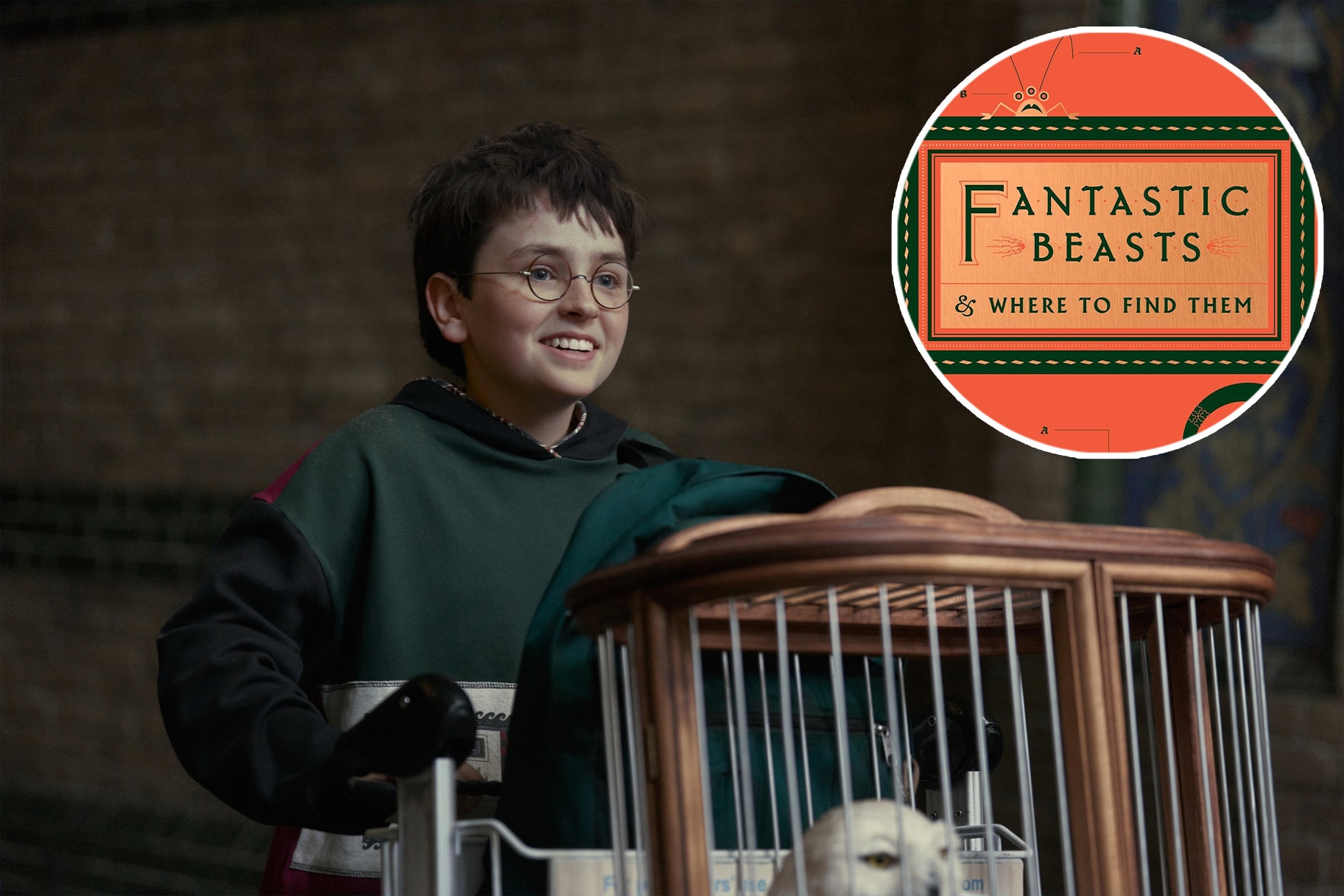
Flubberworms are, by J.K. Rowling's own description, the most boring creatures in the entire Wizarding World. They eat lettuce. They produce mucus. They do essentially nothing else. The original Harry Potter films, working within the constraints of two-hour runtimes, never bothered putting them on screen. HBO's upcoming series will.
That detail, confirmed in the Finding Harry: The Craft Behind the Magic documentary now streaming on HBO Max, reveals something important about the production's intent. This is a series that plans to populate its world with the mundane alongside the spectacular -- and the creature department is building all of it by hand.
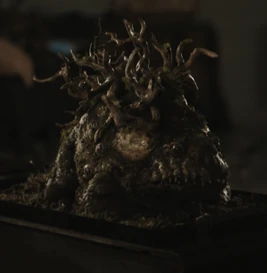 HBO's creature department showcases the practical animatronic magical creatures being built for the upcoming Harry Potter series. Credit: syfy.com
The Creatures We Are Getting
Three specific magical creatures were confirmed through the documentary: Flubberworms, Fire Crabs, and Dugbogs.
Flubberworms appear in Prisoner of Azkaban, the book the series' third season will eventually adapt. After Buckbeak slashes Draco Malfoy and Hagrid loses his confidence as a teacher, he retreats to the safest possible lesson plan: caring for giant, slimy, utterly uninteresting grubs. It is a character moment disguised as comic relief, and one the films skipped entirely. The documentary shows the series' version of Flubberworms as large, writhing, practical creatures -- built to be held, fed, and reacted to on set.
 The practical Flubberworm creatures showcase the series' commitment to handcrafted animatronics over purely digital effects. Credit: syfy.com
Fire Crabs have deeper lore implications. They appear in Goblet of Fire, where Rita Skeeter reveals that Hagrid crossbred them with manticores to create the dreaded Blast-Ended Skrewts. They surface again in Order of the Phoenix during Harry's Care of Magical Creatures O.W.L. examination, where students must "feed and clean a fire-crab without sustaining serious burns." Their inclusion in the series signals that HBO plans to lay groundwork across seasons, introducing creatures early so their narrative payoffs land with full weight later.
The Dugbog is the most obscure of the three. In the books, it appears only as a punchline: Ron, using a faulty spell-check quill from Fred and George's joke shop, misspells "dementors" as "Dugbogs" in a Defense Against the Dark Arts essay for Snape. The creature itself -- a toad-like beast covered in moss, barnacles, and branches -- never physically appears on the page. Its only prior visual appearance was in the 2023 video game Hogwarts Legacy. HBO is giving the Dugbog its first live-action screen time.
What This Tells Us About the Production
The decision to build Flubberworms, Fire Crabs, and Dugbogs is not really about those specific creatures. It is about what their presence signals for the production as a whole.
The original films operated under severe time pressure. Each book had to be compressed into roughly 150 minutes, and every scene that survived the adaptation process had to justify its inclusion in terms of plot advancement. Atmospheric details, worldbuilding asides, and the texture of daily life at Hogwarts were the first casualties. The result was a series of films that hit the narrative beats but often felt like highlight reels of the source material.
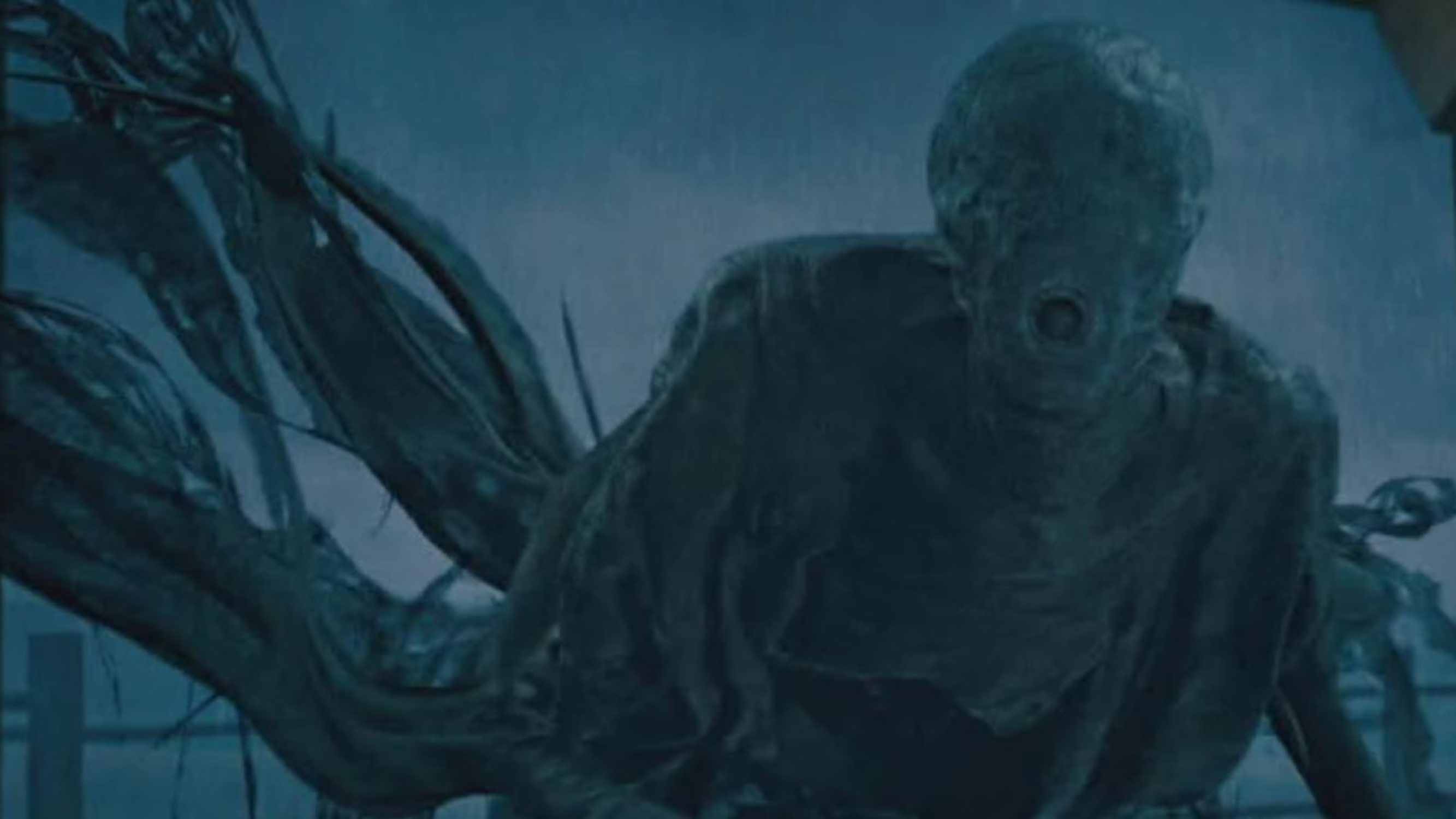 The creature effects workshop demonstrates the blend of practical craftsmanship and attention to detail that will bring even minor magical creatures to life. Credit: syfy.com
Television does not have that constraint, and HBO appears determined to use the extra runtime for density rather than padding. Including Flubberworms in a Care of Magical Creatures lesson is not a plot-critical decision. It is a worldbuilding decision. It tells the audience that this version of Hogwarts operates as a functioning school, complete with the boring classes alongside the dangerous ones.
The creature effects team showcased in Finding Harry is working with handcrafted animatronics alongside digital effects. That blend of practical and digital is consistent with the production's broader approach -- building real sets at Leavesden rather than relying on virtual production, dressing actors in period-accurate 1991 costumes, and constructing a version of the Wizarding World that occupies physical space.
The Long Game
Fire Crabs are the most strategically interesting inclusion. Their role in the narrative is minor in any single book but significant across the series. By introducing them on screen early, HBO can build toward the Blast-Ended Skrewts in Season 4 with an audience that already understands what Fire Crabs are, what they do, and why Hagrid's decision to crossbreed them was characteristically reckless.
That kind of long-form setup is exactly what the television format enables and what the films could never accommodate. It is also the strongest argument for the series' existence: not that it will retell the story, but that it will tell parts of it the films never had room for.
Harry Potter and the Philosopher's Stone premieres on HBO on December 25, 2026.
From Our Estate
Planning a trip to Universal Orlando?
Wizard's Way is a private luxury estate minutes from the parks. Nine bedrooms, private pool, designed for families who expect more.
Reserve Your Stay